Red sandstone statue of Shiva
The mentioned artwork is called 'Shiva God Made of Red Sandstone', created in the late 10th century AD, and is now collected at the Minneapolis Museum of Art in the United States. Shiva is the god of destruction and regeneration in Hinduism. The god Shiva on this statue is depicted in an elegant posture, with jewelry decorations hanging from the belt, pendants hanging from the ears, and a carefully crafted dome hairstyle on the hair. Shiva is depicted as a celestial couple worshipped. The dynamic triple bending posture of Shiva, known as tribhanga, is closely related to the prescribed movements of the body, limbs, and gestures in classical Indian dance.

Indian Shiva Nataraja Igneous Rock Statue from the Chola Period
Shiva is one of the three main gods of Hinduism. Its predecessor was the god of reproduction, "Beast Lord," and the god of Vedic storms, Tatra, during the Indus Civilization era. It had a dual personality of reproduction and destruction, creation and destruction, presenting various bizarre and bizarre appearances, mainly including the Linga, Gentle, Superhuman, Dance King, Rika, and Half Girl. Linga is the most basic symbol of Shiva. Like many gods in mythology, due to Shiva's omniscient and omnipotent nature, her gender is not fixed, but changes at any time according to her different appearances. In Buddhist literature, Shiva is referred to as the Great Self in Heaven, residing at the top of the realm of colors, and is the ruler of the three thousand realms.

Minneapolis Art Gallery Collection 12th Century Bronze Statue of Shiva Nataraja, India
The Hindu god Shiva appears in several incarnations. Here, Shiva appears as the king of the dance. He raised his left foot in an elegant dancing pose. In his upper right hand, Nataraja holds a drum, the sound of which embodies creation. The flame he held in his upper left hand symbolized destruction. Together they symbolize the creation and destruction of the universe. The gestures of the lower left and lower right palms of the icon indicate protection. The foot resting on the demon's back symbolizes the elimination of ignorance, while the raised left foot symbolizes salvation. A now-missing ring of fire, symbolizing the simultaneous and continuing creation and destruction of the universe, will surround the bronze icon.

Popular Models

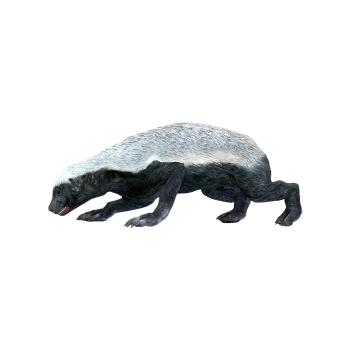
Honey Badger (3D animated model)
192 View
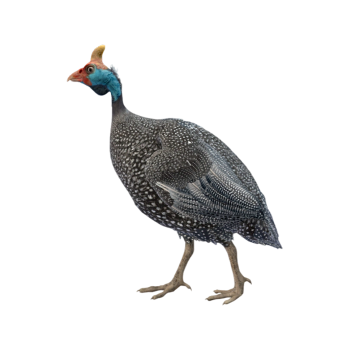
Guinea fowl (3D animated model)
163 View

Wild Goose (3D animated model)
185 View

Red Fox (3D animated model)
153 View
Random Model

a group of assorted packaged foods
406 View



Chinese Eastern Antfly Larvae
979 View
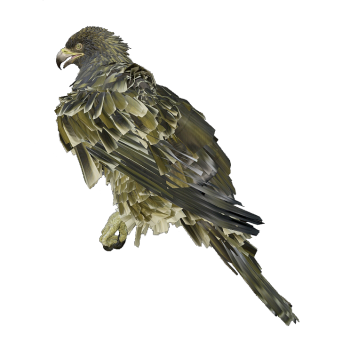
Golden Eagle 3D Model Animation
925 View

Old tire inflation pump
647 View

Muffler Makarov PM pistol
1614 View

Tricholoma
587 View